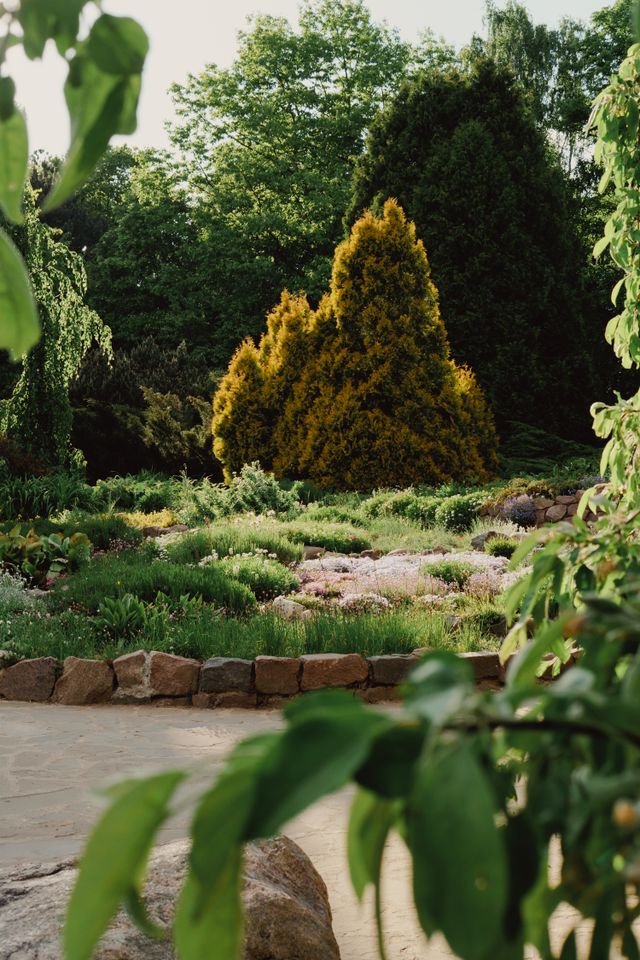
landscapers adelaide a sloping garden can add depth and character to an Adelaide property, but it also creates a landscaping challenge: rainfall naturally wants to travel downhill. When runoff moves quickly across exposed soil, it can carry away topsoil, mulch and nutrients, leaving channels, exposed roots and uneven garden beds behind.
This is particularly relevant in Adelaide, where the climate has wet winters and hot, dry summers, with most rainfall occurring between April and October.
If you are wondering how to stop soil erosion in a sloping Adelaide garden, the answer is rarely as simple as adding more mulch. A durable solution usually combines vegetation, soil coverage, runoff control and, where necessary, physical structures that slow water before it can strip the soil away.
Why Does Soil Erode on a Sloping Garden?
Erosion occurs when soil particles are detached and transported by water or wind. On a sloping garden, gravity adds another factor: once rainwater starts moving downhill, its speed and concentration can increase.
Bare soil is especially vulnerable because there is nothing protecting the surface from direct rainfall or slowing the flow.
The problem can become worse when:
- The slope has little vegetation
- Soil has been recently disturbed
- The ground is compacted
- Water is concentrated from a downpipe or paved surface
- Lightweight mulch is used
- Planting is sparse
- A garden path channels water downhill
- The slope has been heavily modified during construction
Adelaide’s seasonal rainfall pattern can make this particularly noticeable. The region receives much of its rainfall during the cooler months, while summer is typically much drier.
That means a garden may spend months relatively dry and then experience substantial runoff when winter rain arrives.
Start by Identifying Where the Water Is Coming From
Before installing erosion-control products, watch the garden during rainfall.
You need to understand whether water is:
- Falling directly onto the slope
- Entering from an upper garden
- Running off a roof or downpipe
- Coming from a driveway
- Travelling along a paved path
- Concentrating in one channel
- Collecting at the bottom of the slope
This distinction matters.
A slope covered with healthy vegetation may handle rainfall reasonably well, while a single concentrated stream of water from a downpipe can cut a channel through otherwise stable soil.
The Adelaide Garden Guide recommends carefully managing stormwater runoff, considering local soil and climate conditions, and directing runoff away from buildings while avoiding waterlogging in garden areas.
Keep the Soil Covered
One of the most effective ways to reduce erosion is to avoid leaving large areas of soil exposed.
Plant foliage helps intercept rainfall before it reaches the ground, while roots contribute to soil stability. Groundcovers, grasses, shrubs and other plants can therefore form part of the erosion-control strategy.
For an Adelaide garden, choose plants according to the actual conditions of the site rather than simply choosing species marketed as drought tolerant.
Consider:
- Sun exposure
- Soil type
- Drainage
- Slope angle
- Available irrigation
- Mature plant size
- Local climate
- Maintenance requirements
Green Adelaide recommends selecting plants according to local conditions and supports the use of local native plants that are suited to Adelaide’s climate and soils.
Use Groundcovers on Exposed Areas
Groundcovers are particularly useful where lawn is difficult to establish or maintain.
A dense planting layer can provide continuous surface coverage while reducing the amount of bare soil exposed to rainfall.
On a steep slope, however, plants need time to establish. Temporary erosion-control measures may therefore be useful during the establishment period.
Use Mulch Carefully
Mulch can protect soil from direct rainfall and help retain moisture, but it needs to be selected and installed with the slope in mind.
Green Adelaide recommends mulch as a way to reduce evaporation, suppress weeds and support healthier soil. It recommends a mulch or gravel layer of around 5–10 cm in general garden applications, with mulch kept away from plant stems.
On a steep slope, however, loose mulch can itself become part of the erosion problem.
Heavy rain may move lightweight mulch downhill, leaving bare soil behind and creating piles of material at the bottom of the garden.
For sloping gardens:
- Choose a mulch appropriate for the slope
- Avoid creating unnecessarily thick loose layers
- Keep mulch away from plant stems
- Establish plants alongside the mulch
- Check the garden after heavy rainfall
- Address concentrated runoff rather than repeatedly replacing washed-away mulch
The goal is for vegetation and soil structure to provide long-term stability, with mulch acting as additional surface protection.
Slow Water With Contour Planting
One of the most useful principles for a sloping garden is to interrupt downhill water movement.
Instead of planting or creating features that form a straight channel down the slope, landscape elements can be arranged across the direction of flow.
Planting in contour bands can help break up the path that water takes across the garden.
The same principle can be applied using:
- Low garden borders
- Rocks
- Logs
- Coir logs
- Dense planting
- Small terraces
- Carefully designed swales
These features should slow and spread water rather than simply block it.
Poorly designed barriers can redirect runoff into another part of the property, so larger drainage changes need to be planned carefully.
Consider Swales for Larger Slopes
A swale is a shallow landscape depression designed to intercept and manage surface runoff.
Instead of allowing water to travel rapidly downhill, a properly designed swale can slow the flow and distribute water across a broader area.
Swales can be particularly useful where a slope receives runoff from an upper section of the property.
However, a swale is not appropriate for every residential garden. Its size, location, soil conditions, rainfall, available space and discharge arrangements all need to be considered.
The Adelaide Garden Guide specifically recommends managing stormwater runoff within a property and notes that additional drainage solutions may be required depending on site conditions.
Use Rocks and Timber to Break Up Runoff
Strategically placed rocks can help interrupt water movement and provide physical protection to vulnerable sections of a slope.
Timber logs and similar natural materials can also be incorporated into a landscape design.
These features work best when integrated with planting rather than used as isolated objects.
For example, a sloping garden might combine:
Upper slope: low groundcovers
Middle slope: contour planting and small rock groups
Lower slope: denser planting with a defined drainage or collection area
The exact arrangement depends on the site’s fall and how water behaves during heavy rainfall.
Create Small Terraces on Steeper Gardens
Where a slope is substantial, dividing it into smaller levels can reduce the effective length of the slope and create more manageable planting areas.
Terracing may involve retaining walls, low landscape structures or naturalised earth shaping.
However, retaining structures are not simply decorative garden borders. They need to resist soil and water pressure, and larger structures may have engineering, approval or construction requirements depending on the site and location.
Do not build a substantial retaining wall purely as a DIY erosion fix without understanding the loads and drainage involved.
Poor drainage behind a retaining structure can create additional pressure and contribute to failure.
Manage Runoff From Downpipes and Hard Surfaces
One of the most overlooked causes of garden erosion is concentrated stormwater.
A downpipe discharging directly onto a slope can create a powerful flow path. So can runoff from a driveway, patio or paved walkway.
The Adelaide Garden Guide recommends directing runoff away from buildings and considering additional sumps, trench grates and drainage solutions where required. It also cautions against directing stormwater towards neighbouring footings.
Instead of allowing water to discharge uncontrolled onto the slope, consider whether the property needs:
- A suitable downpipe connection
- A drainage channel
- A collection point
- A swale
- A rain garden
- A properly designed stormwater outlet
The appropriate solution depends on the volume and source of water.
Improve the Soil Before Replanting
Soil condition affects how well a slope handles rainfall.
Highly compacted soil can encourage water to run across the surface rather than infiltrate. Soil with poor structure may also be more vulnerable to erosion.
The Adelaide Garden Guide highlights the importance of understanding soil type before landscaping and notes that Adelaide gardens can contain sandy, clay, silty or loam soils, each with different characteristics. It also notes that soil may need conditioning or replacement depending on its condition and the requirements of the plants.
If you are rebuilding a damaged slope, avoid simply adding a thin layer of topsoil over unstable ground.
The soil profile, drainage and planting strategy should be considered together.
Consider a Rain Garden at the Bottom of the Slope
If the lower part of the property naturally receives runoff, a rain garden may provide a way to incorporate water management into the landscape.
Green Adelaide describes rain gardens as planted systems that receive runoff and help manage water within the landscape.
A rain garden can be useful where water naturally collects, but it must be designed around the site’s soil infiltration, water volume and planting conditions.
Green Adelaide also warns that conventional mulch can wash away in rain-garden systems and potentially interfere with the system.
That is an important distinction: the best surface treatment for an ordinary garden bed may not be appropriate for a dedicated stormwater-management feature.
Adelaide-Specific Landscaping Considerations
Adelaide’s Mediterranean climate means landscape design needs to account for a strong seasonal contrast.
The Bureau of Meteorology describes Adelaide as having cold to mild, wet winters and warm to hot, dry summers, with most rainfall occurring from April to October.
For a sloping Adelaide garden, this makes establishment and water management particularly important.
A well-designed landscape should be able to:
- Protect soil during winter rainfall
- Retain useful moisture through summer
- Support plants during establishment
- Manage runoff from hard surfaces
- Reduce exposed soil
- Use plants suited to local conditions
The Adelaide Garden Guide was developed specifically to help homeowners and designers consider soil, climate, planting, stormwater and garden design together.
When Should You Get Professional Help?
Minor surface erosion can often be addressed through planting, mulch and small landscape adjustments.
Professional advice is more appropriate when you see:
- Deep erosion channels
- Significant loss of topsoil
- Undercutting around retaining walls
- Exposed structural roots
- Water moving rapidly towards a building
- Large volumes of stormwater
- Slope movement or cracking
- A substantial retaining wall requirement
- Erosion affecting a boundary or neighbouring property
The solution may require more than landscaping. Drainage design, structural engineering, arboricultural advice or other specialist input may be appropriate depending on the circumstances.
Common Mistakes to Avoid
Adding more mulch every time it washes away
If runoff is moving mulch downhill, deal with the water movement instead of repeatedly replacing the material.
Leaving newly planted slopes exposed
Young plants provide limited soil protection until they establish. Temporary erosion-control measures can help during this period.
Creating straight channels downhill
Paths, garden edging and planting arrangements can unintentionally concentrate water.
Using the wrong plants
A plant that tolerates Adelaide’s dry summer conditions may still perform poorly in a wet, poorly drained section of the slope.
Building a retaining wall without drainage planning
Retaining structures need appropriate drainage and construction methods. A wall alone does not solve the water pressure behind it.
Directing water towards the property boundary
Moving water off one part of your property does not automatically make the drainage problem disappear. Stormwater should be managed appropriately for the site.
Ignoring erosion until the soil is badly damaged
Small channels can become established flow paths. Addressing them early is generally easier than rebuilding a severely eroded slope.
Frequently Asked Questions
What is the best way to stop soil erosion on a sloping garden?
The most effective approach depends on the cause and slope. Dense planting, groundcovers, mulch, contour landscaping and runoff-control measures can all help. Steeper or heavily eroded sites may require terracing, drainage or other structural solutions.
Does mulch prevent erosion on a slope?
Mulch can protect soil from direct rainfall and reduce evaporation, but loose mulch can itself wash away during heavy runoff. It works best when combined with established vegetation and appropriate water management.
What plants are best for an eroding Adelaide slope?
Choose plants suited to the site’s sunlight, soil, drainage and local climate. Groundcovers and plants with useful root systems can provide surface coverage, while local native species may be suitable for many Adelaide gardens.
Can rocks stop soil erosion?
Rocks can interrupt and slow surface runoff when positioned appropriately. They are most effective as part of a broader landscape design rather than simply being scattered over an eroding slope.
Should I build a retaining wall on my sloping garden?
A retaining wall can create terraces and reduce the effective slope, but it is not automatically necessary. Wall height, soil pressure, drainage, site conditions and applicable requirements need to be considered before construction.
Why does my sloping garden keep losing soil after rain?
The most likely cause is concentrated or fast-moving runoff combined with exposed or unstable soil. Compaction, poor vegetation coverage, lightweight mulch and inappropriate grading can make the problem worse.
Final Thoughts
Stopping soil erosion in a sloping Adelaide garden starts with understanding how water moves across the property.
Instead of treating erosion as simply a mulch problem, look at the complete landscape. Protect exposed soil with appropriate planting, improve soil condition, slow runoff across the slope and prevent concentrated water from cutting channels through the garden.
For a gentle slope, groundcovers, mulch and contour planting may provide a practical solution. A steeper or heavily eroded site may need swales, terraces, retaining structures or professionally designed drainage.
If erosion is already removing substantial amounts of soil or affecting structures, boundaries or drainage paths, it is worth getting the site assessed before undertaking major landscaping work. A solution designed around the slope and Adelaide’s seasonal conditions can protect the garden while making it easier to maintain over the long term.